
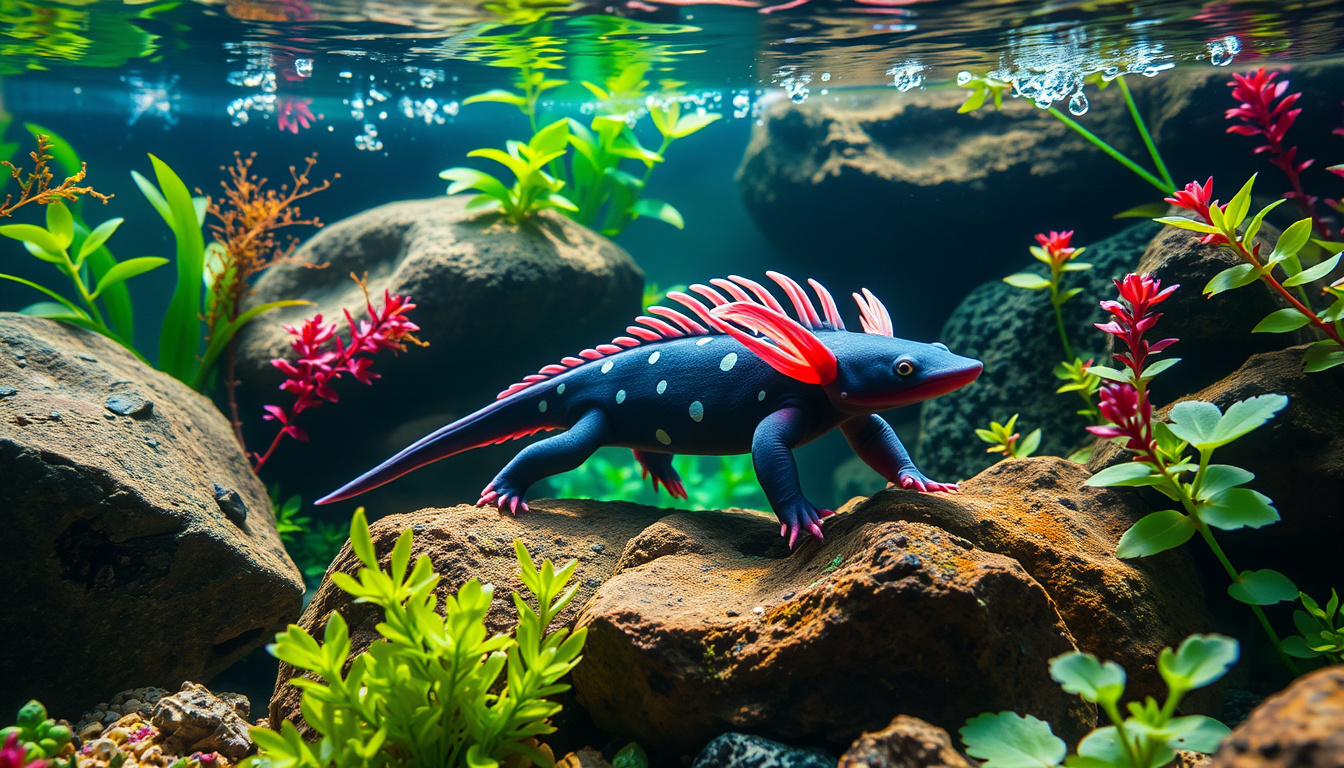
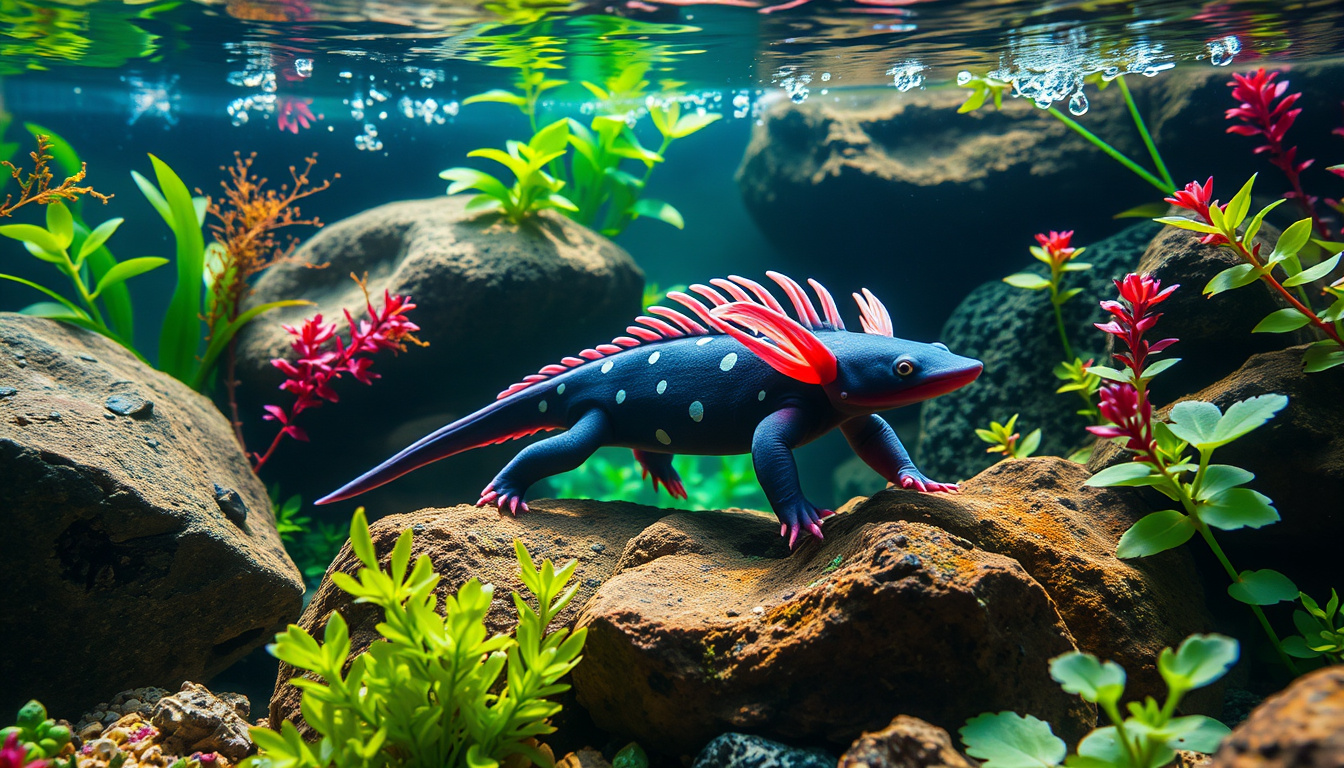
Have you ever heard of the axolotl?
This fascinating aquatic creature is not only adorable but also holds significant importance in the ecosystem of its unique habitat.
The axolotl, known for its distinct appearance and regenerative abilities, thrives in a specific environment that is rapidly changing due to various threats.
In this article, we’re diving deep into the axolotl habitat, exploring its geographical distribution, the physical characteristics that make it special, the dangers it faces, and the efforts being made to conserve this remarkable environment.
So, let’s embark on a journey to discover the secrets of this aquatic wonder!
Threats Facing Axolotl Ecosystems
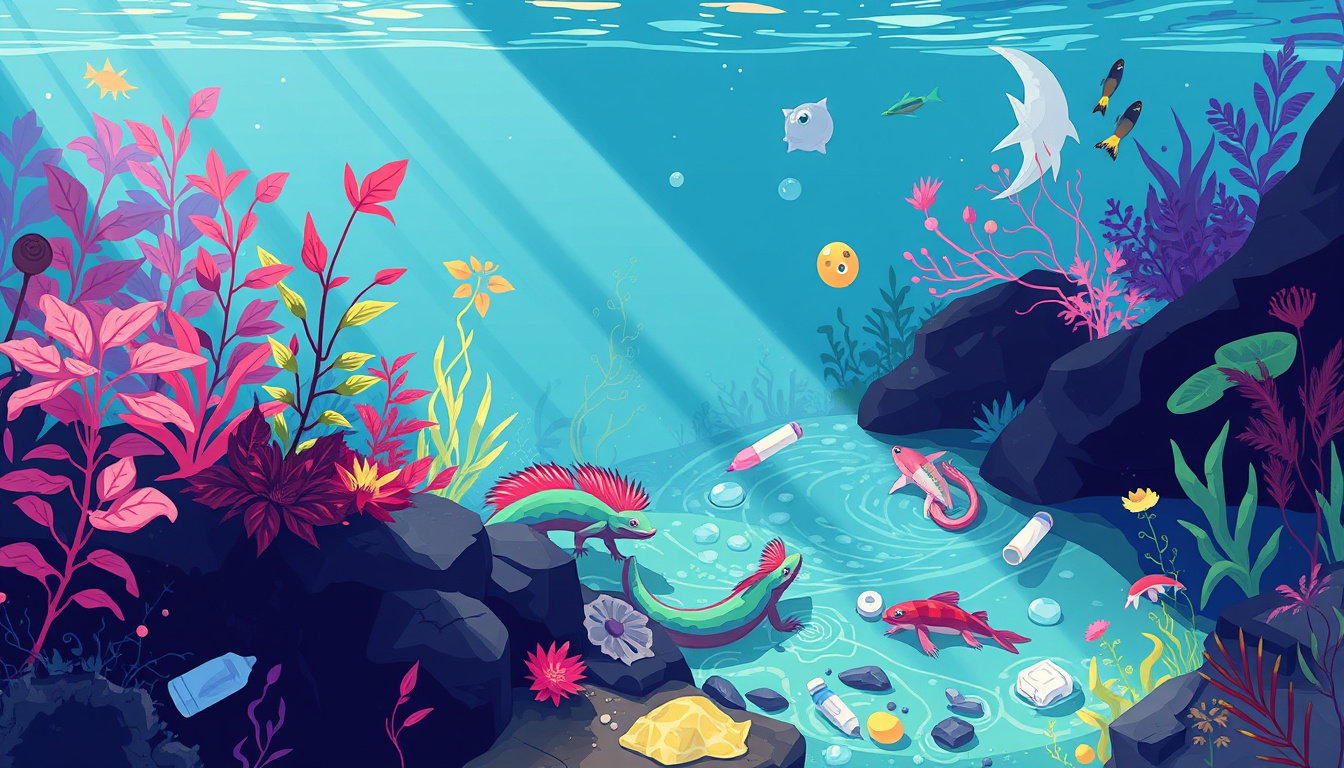
The axolotl habitat is uniquely susceptible to a range of environmental threats that could jeopardize the survival of this fascinating species.
Native to the ancient lakes of Mexico, particularly Lake Xochimilco, these remarkable amphibians are now facing severe challenges, primarily due to habitat destruction caused by urbanization and pollution.
As cities expand, wetlands are drained, robbing the axolotls of their essential living spaces.
Additionally, the introduction of invasive species, such as non-native fish, poses a significant threat by competing for resources and preying on young axolotls.
Climate change is further exacerbating these problems, altering water levels and temperatures, which affects the delicate ecosystem that axolotls depend on.
Understanding these threats is crucial for young environmental advocates eager to protect this endangered species and its unique habitat.
Conservation Efforts for Axolotl Habitats
Conservation efforts for axolotl habitats are crucial in order to protect this unique and endangered species from extinction.
The axolotl, a type of salamander native to the lakes and canals of Mexico City, is facing significant threats due to environmental degradation, pollution, and invasive species.
Organizations dedicated to wildlife conservation are working tirelessly to restore and preserve the axolotl habitat, which includes cleaning up waterways and protecting the lake ecosystems where these extraordinary creatures live.
Additionally, habitat restoration projects aim to reintroduce native plant species that provide food and shelter for axolotls, ensuring a sustainable environment for future generations.
Young conservationists can get involved by supporting local wildlife organizations or even participating in educational programs that highlight the importance of maintaining healthy ecosystems—because every small effort contributes to the survival of the axolotls and their irreplaceable habitats.
Frequently Asked Questions
What is the natural habitat of the axolotl?
The natural habitat of the axolotl is primarily in the lake complex of Xochimilco near Mexico City, where they thrive in freshwater lakes and canals.
What are the physical characteristics of the axolotl habitat?
Axolotl habitats are characterized by shallow, calm waters with abundant vegetation, which provide shelter and food sources, along with specific water temperature and pH conditions that support their survival.
What threats do axolotl habitats face?
Axolotl habitats are threatened by pollution, habitat encroachment due to urbanization, invasive species, and climate change, which disrupt the delicate ecosystems they depend on.
What conservation efforts are in place to protect axolotl habitats?
Conservation efforts include habitat restoration projects, breeding programs in captivity, pollution control measures, and education efforts aimed at raising awareness about the species and its environmental needs.
Why is the preservation of axolotl habitats important?
Preserving axolotl habitats is crucial not only for the survival of this unique species but also for maintaining biodiversity and the health of aquatic ecosystems in their native regions.