
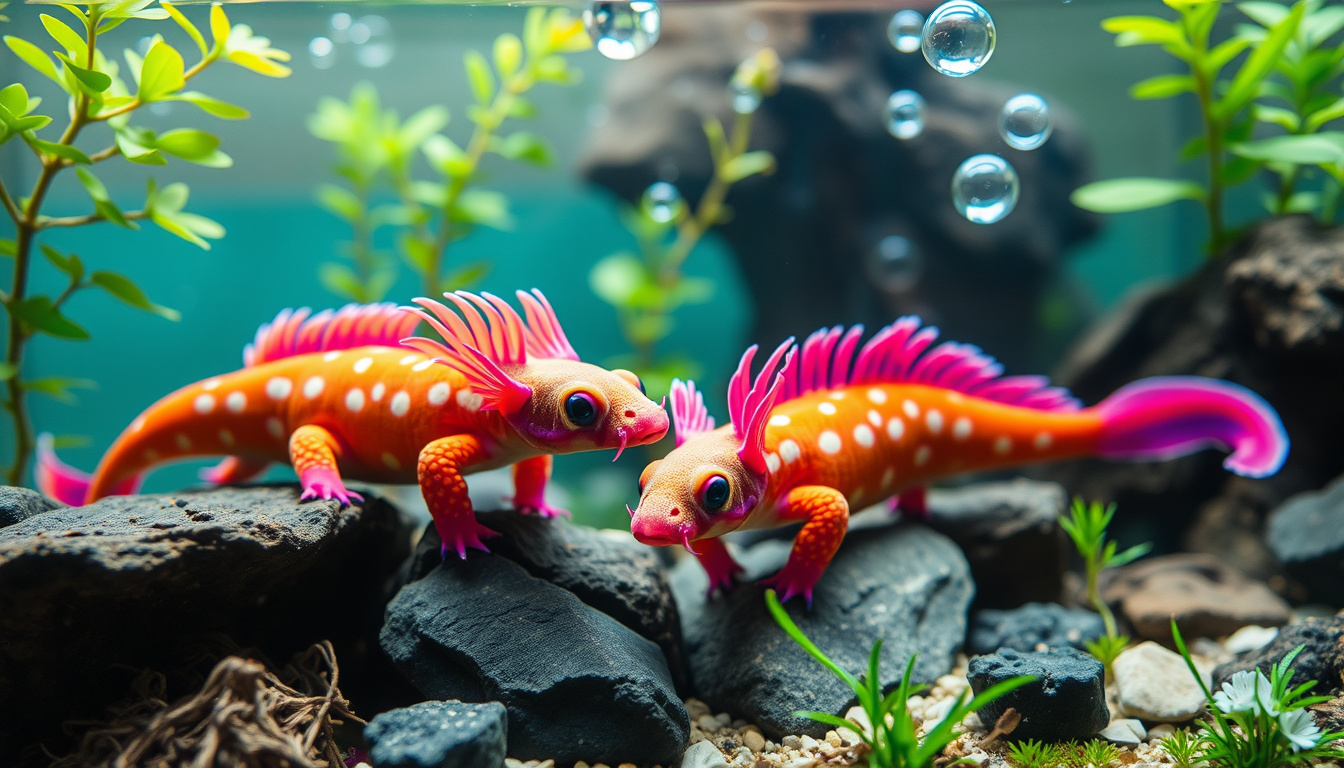
Are you fascinated by the unique appearance and captivating behavior of axolotls?
Well, if you’ve ever thought about breeding these incredible creatures, you’re in luck!
Axolotl breeding can be both a rewarding hobby and an essential step in conserving this endangered species.
In this ultimate guide, we’ll dive into everything you need to know about axolotl breeding, from understanding their biology to setting up the perfect breeding environment, selecting the ideal breeding pair, and caring for their eggs and larvae.
Whether you’re a seasoned aquarium enthusiast or a curious beginner, this article will equip you with the insights and tips necessary for successful axolotl breeding.


The Breeding Process: Steps and Techniques
If you’re fascinated by axolotl breeding, you’re not alone!
These unique aquatic creatures have captured the hearts of many with their charming looks and playful demeanor.
Understanding the breeding process can be both captivating and educational.
Firstly, it’s essential to ensure the environment is optimal before breeding; a spacious tank with clean water is crucial.
Keeping the water temperature between 60-68°F (15-20°C) mimics their natural habitat and encourages breeding.
Next, introduce a male and female axolotl into the same tank during breeding season, which typically occurs in spring.
When they’re ready to mate, the male will perform a courtship dance, often leading to the female laying her eggs.
A single female can lay hundreds of eggs, which appear as small jelly-like clusters.
After laying, the eggs need to be monitored closely, ensuring they’re free from fungus and that the water quality remains stable.
Once the eggs hatch, axolotl care becomes essential as you nurture the little ones to healthy juvenile stage.
Axolotl breeding can be a rewarding journey that not only helps increase their numbers but also deepens your connection to these fascinating amphibians.
Caring for Axolotl Eggs and Larvae
Caring for axolotl eggs and larvae can be an exciting yet challenging part of axolotl breeding.
Once the eggs are laid, typically in clusters of 10 to 100, it is crucial to provide the right environment for them to thrive.
First, ensure the water is clean and dechlorinated, as axolotl embryos are sensitive to chemicals.
Maintain a temperature between 18°C to 20°C (64°F to 68°F), as this optimal range promotes healthy growth.
After about two weeks, the eggs will hatch into larvae, at which point it’s essential to feed them an appropriate diet.
Newly hatched brine shrimp or finely crushed food is ideal for young axolotls.
Monitoring the water quality and ensuring a stable habitat will greatly enhance the success rate of your axolotl breeding efforts.
Remember, patience and attention to detail can lead to a thriving new generation of these fascinating aquatic creatures!
Frequently Asked Questions
What is the ideal breeding environment for axolotls?
The ideal breeding environment for axolotls includes an aquarium with a capacity of at least 20 gallons, a water temperature between 16-18°C (60-64°F), and a pH level of 6.5-7.5.
Additionally, providing hiding places and gentle filtration can help create a comfortable habitat.
How do I select the right breeding pair of axolotls?
When choosing a breeding pair, look for healthy individuals that are at least 6 months old.
Ideally, select pairs with complementary colors or genetics to enhance the diversity of the offspring.
Ensure they are free from any diseases.
What are the steps involved in the axolotl breeding process?
The axolotl breeding process involves several key steps: introducing the breeding pair, observing courtship behavior, allowing successful fertilization of eggs, and then separating the adults to avoid them eating the eggs.
What should I do to care for axolotl eggs and larvae?
After the eggs are laid, it’s important to keep the water clean and maintain stable temperature conditions.
Within 2-3 weeks, the eggs will hatch into larvae.
At this stage, provide them with small live foods like brine shrimp and ensure they have enough space to swim.
What common challenges might I face in axolotl breeding?
Common challenges in axolotl breeding can include difficulties in successful fertilization, egg fungus, and predation of eggs or larvae by the adults.
Monitoring water quality and having the right breeding techniques can help mitigate these challenges.