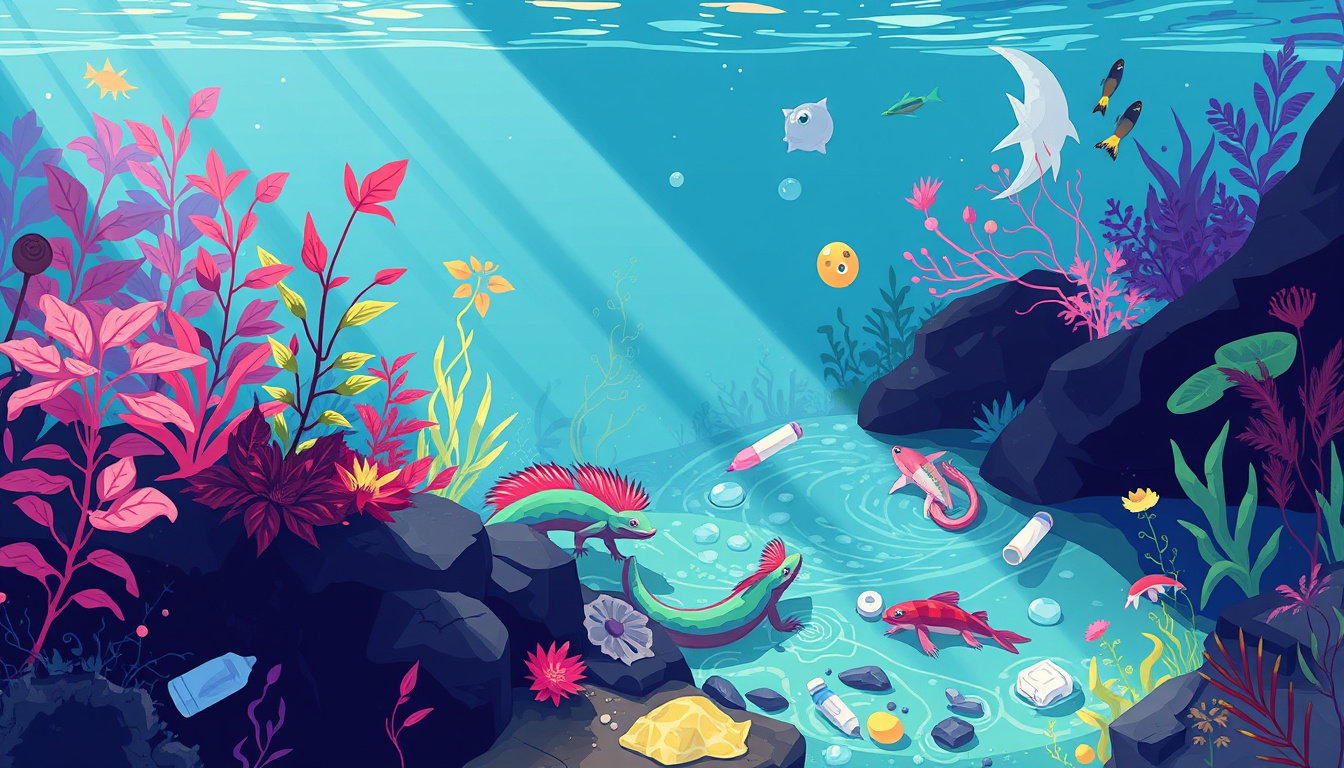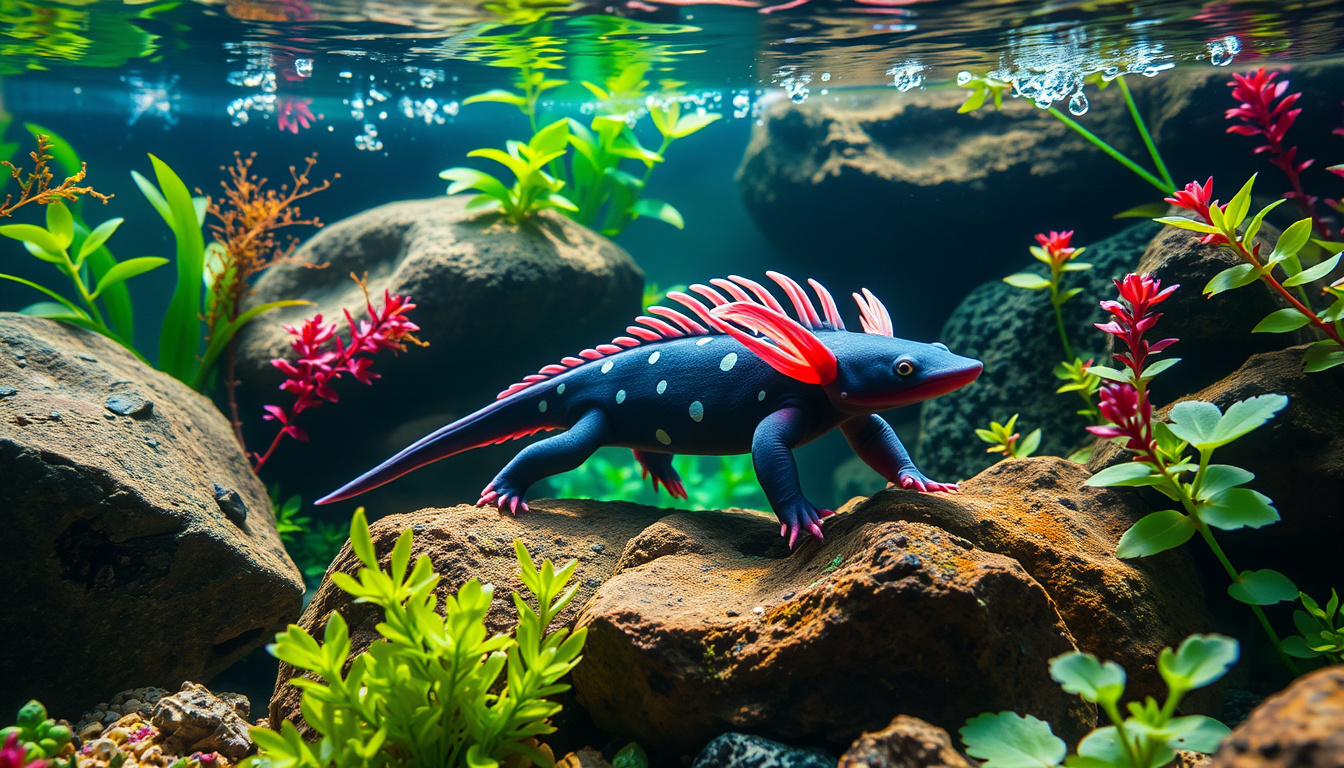
Exploring the Unique Axolotl Habitat: Discover the Secrets of This Aquatic Wonder

Exploring the Unique Axolotl Habitat: Discover the Secrets of This Aquatic Wonder

Have you ever heard of the axolotl?

This fascinating aquatic creature is not only adorable but also holds significant importance in the ecosystem of its unique habitat.

The axolotl, known for its distinct appearance and regenerative abilities, thrives in a specific environment that is rapidly changing due to various threats.

In this article, we’re diving deep into the axolotl habitat, exploring its geographical distribution, the physical characteristics that make it special, the dangers it faces, and the efforts being made to conserve this remarkable environment.

So, let’s embark on a journey to discover the secrets of this aquatic wonder!
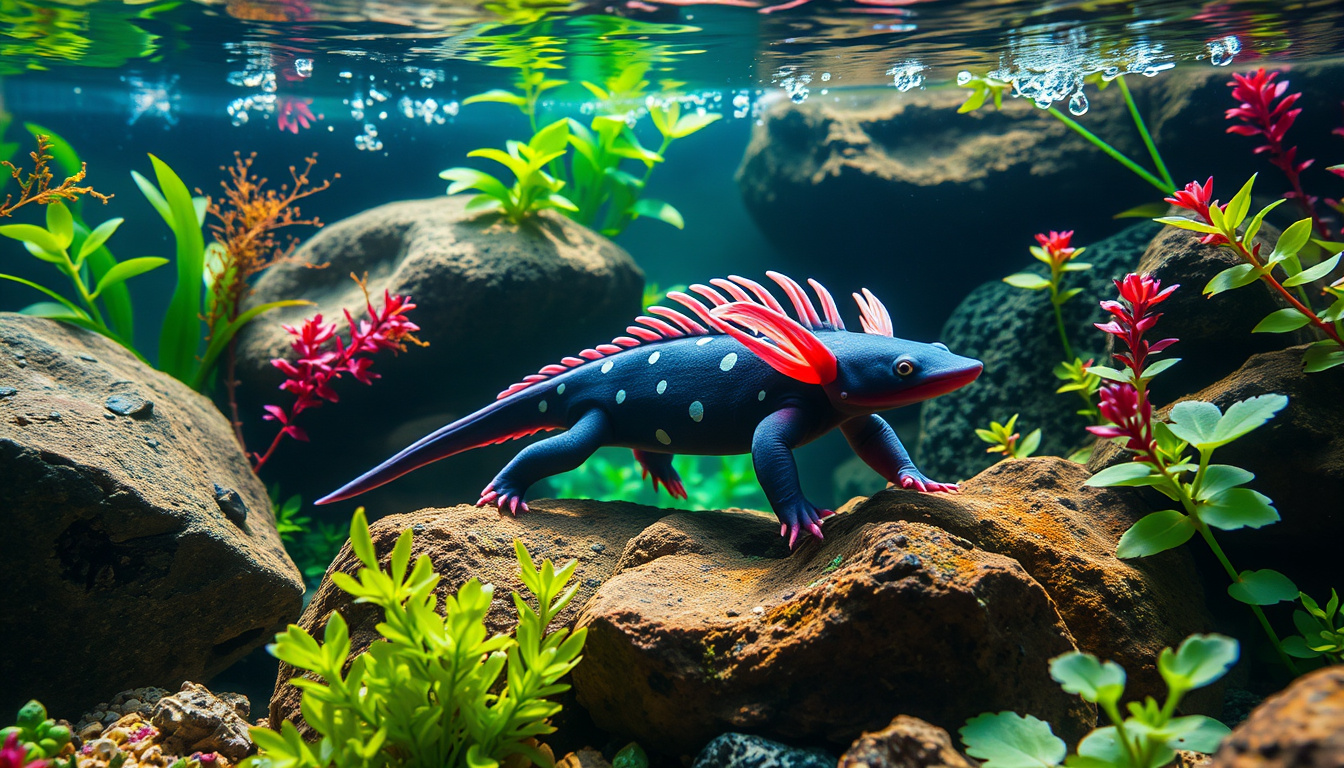
Exploring the Unique<b> Axolotl Habitat</b>: Discover the Secrets of This Aquatic Wonder’ style=’display: block; margin: auto; max-width: 100%; height: auto;’></p>
<h2>The TL;DR</h2>
<ul>
<li>The axolotl is a unique amphibian known for its regenerative abilities and distinct appearance.</li>
<li>Axolotls are primarily found in the water bodies of Mexico, specifically in and around the ancient lakes of Xochimilco.</li>
<li>The axolotl’s habitat features specific physical characteristics, including high levels of water clarity and temperature stability.</li>
<li>Threats like pollution, habitat destruction, and invasive species pose significant risks to axolotl ecosystems.</li>
<li>Conservation efforts are crucial to preserving the axolotl’s natural habitat and ensuring its survival in the wild.</li>
</ul>
<h3>Introduction to the Axolotl</h3>
<p>The axolotl, often referred to as the ‘Mexican walking fish,’ is a fascinating amphibian that has captured the hearts of many young enthusiasts around the world.</p>
<p>Native to the ancient lakes and canals of Mexico, particularly in the historic region surrounding Mexico City, the<b> axolotl habitat</b> is quite unique.</p>
<p>Unlike most amphibians which undergo metamorphosis, axolotls retain their larval features throughout their lives, a phenomenon known as neoteny.</p>
<p>This means that they live underwater with external gills and a sleek, feathery appearance.</p>
<p>In their natural habitat, they thrive in shallow waters with plenty of vegetation, which provides cover and aids in their instinctual hunting of small fish and invertebrates.</p>
<p>However, due to habitat loss, pollution, and invasive species, the axolotl is critically endangered in the wild, making understanding and preserving their habitat more important than ever.</p>
<h3>Geographical Distribution of<b> Axolotl Habitat</b>s</h3>
<p>The <b>axolotl habitat</b> is an intriguing topic that highlights the unique environmental conditions required for this fascinating creature to thrive.</p>
<p>Native to the lake complex of Xochimilco near Mexico City, the axolotl inhabits freshwater lakes and canals.</p>
<p>Unlike many amphibians, which undergo a complete metamorphosis, axolotls are neotenic, meaning they retain their larval features throughout their adult life, including their aquatic gills.</p>
<p>The specific conditions of their habitat play a crucial role in their survival, as they require clean, still water with a stable temperature, typically between 16-18 degrees Celsius (60-64 degrees Fahrenheit).</p>
<p>Unfortunately, due to urbanization and pollution, their natural habitats are diminishing, prompting conservation efforts to protect these incredible creatures.</p>
<p>By understanding the geographical distribution of<b> axolotl habitat</b>s, we can better appreciate the importance of preserving their ecosystems and the role that individuals like you can play in safeguarding the future of this unique species.</p>
<blockquote><p>‘The greatest threat to our planet is the belief that someone else will save it.’ – Robert Swan</p></blockquote>
<h3>Physical Characteristics of the<b> Axolotl Habitat</b></h3>
<p>The<b> axolotl habitat</b> is a fascinating topic, especially for young nature enthusiasts!</p>
<p>These unique creatures are native to the lake systems near Mexico City, with their prime environment being the ancient lakes of Xochimilco.</p>
<p>One of the standout features of the<b> axolotl habitat</b> is its significance as a freshwater ecosystem, rich in aquatic plants and diverse species.</p>
<p>The shallow, warm waters of these lakes are ideal for axolotls, allowing them to thrive in temperatures ranging between 16 to 18 degrees Celsius (60 to 64 degrees Fahrenheit).</p>
<p>This aquatic environment is filled with numerous hiding spots among rocks and vegetation, offering safety from predators.</p>
<p>Additionally, the water clarity in their habitat plays a crucial role, as it allows effective hunting for their prey, which mainly consists of small fish and insects.</p>
<p>Learning about the physical characteristics of the<b> axolotl habitat</b> can help us appreciate the delicate balance of nature and why it’s essential to protect such unique ecosystems.</p>
<p><a href=

Threats Facing Axolotl Ecosystems

Threats Facing Axolotl Ecosystems

The axolotl habitat is uniquely susceptible to a range of environmental threats that could jeopardize the survival of this fascinating species.

Native to the ancient lakes of Mexico, particularly Lake Xochimilco, these remarkable amphibians are now facing severe challenges, primarily due to habitat destruction caused by urbanization and pollution.

As cities expand, wetlands are drained, robbing the axolotls of their essential living spaces.

Additionally, the introduction of invasive species, such as non-native fish, poses a significant threat by competing for resources and preying on young axolotls.

Climate change is further exacerbating these problems, altering water levels and temperatures, which affects the delicate ecosystem that axolotls depend on.

Understanding these threats is crucial for young environmental advocates eager to protect this endangered species and its unique habitat.

Conservation Efforts for Axolotl Habitats

Conservation efforts for axolotl habitats are crucial in order to protect this unique and endangered species from extinction.

The axolotl, a type of salamander native to the lakes and canals of Mexico City, is facing significant threats due to environmental degradation, pollution, and invasive species.

Organizations dedicated to wildlife conservation are working tirelessly to restore and preserve the axolotl habitat, which includes cleaning up waterways and protecting the lake ecosystems where these extraordinary creatures live.

Additionally, habitat restoration projects aim to reintroduce native plant species that provide food and shelter for axolotls, ensuring a sustainable environment for future generations.

Young conservationists can get involved by supporting local wildlife organizations or even participating in educational programs that highlight the importance of maintaining healthy ecosystems—because every small effort contributes to the survival of the axolotls and their irreplaceable habitats.

Frequently Asked Questions

What is the natural habitat of the axolotl?

The natural habitat of the axolotl is primarily in the lake complex of Xochimilco near Mexico City, where they thrive in freshwater lakes and canals.

What are the physical characteristics of the axolotl habitat?

Axolotl habitats are characterized by shallow, calm waters with abundant vegetation, which provide shelter and food sources, along with specific water temperature and pH conditions that support their survival.

What threats do axolotl habitats face?

Axolotl habitats are threatened by pollution, habitat encroachment due to urbanization, invasive species, and climate change, which disrupt the delicate ecosystems they depend on.

What conservation efforts are in place to protect axolotl habitats?

Conservation efforts include habitat restoration projects, breeding programs in captivity, pollution control measures, and education efforts aimed at raising awareness about the species and its environmental needs.

Why is the preservation of axolotl habitats important?

Preserving axolotl habitats is crucial not only for the survival of this unique species but also for maintaining biodiversity and the health of aquatic ecosystems in their native regions.