
Photo by Lorna Pauli on Pexels
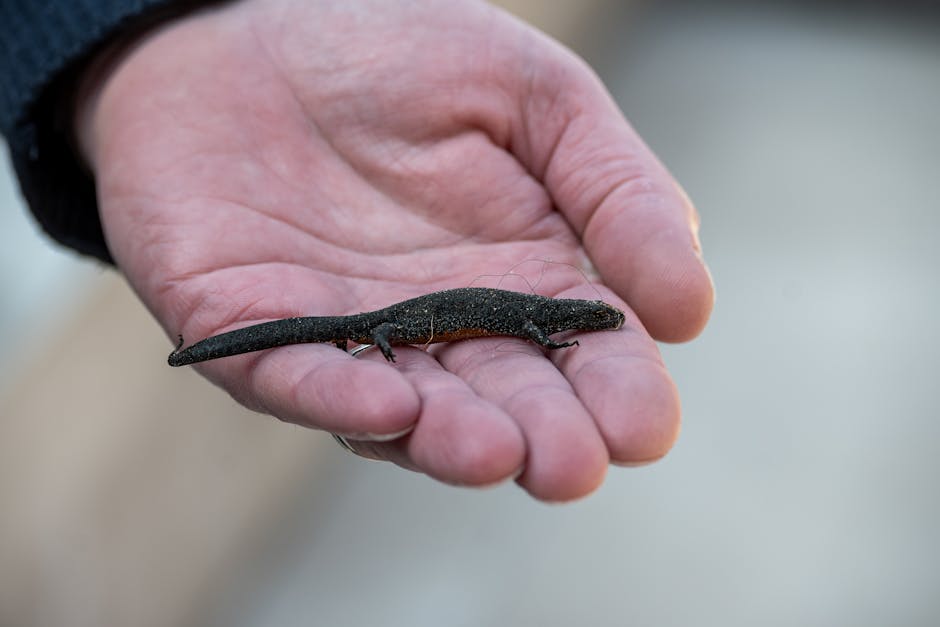
Thinking about adding a fire belly newt to your family? These little amphibians are a blast to watch, and with the right setup they can live alongside you for decades. Fire belly newts are considered beginner-level amphibians, and when cared for well, they can live up to 45 years. That’s a long time to enjoy those bright orange bellies!
Species Overview
Fire belly newts get their name from the vivid orange or red markings on their belly. They are semi-aquatic, spending most of their time in water but occasionally coming onto land. Two common types are the Chinese fire belly newt and the Japanese fire-bellied newt. Both are very similar in care, but Japanese fire-bellied newts are described as very easy to keep in captivity, as long as good water quality and appropriate temperatures are maintained. They stay relatively small, usually reaching about 4 to 5 inches long.
Setting Up the Perfect Tank
Getting the habitat right is the biggest step. Fire belly newts need a tank that offers both water and a dry area to rest. Let’s break down what they need.
Tank Size and Substrate
A 10-gallon tank is a good starting point for one or two newts, but bigger is always better. You want to give them room to swim and explore. For the aquatic portion, a bare bottom or large, smooth gravel works best to avoid accidental swallowing. Some keepers use sand. Add a land area using a sloped bank of gravel, a piece of cork bark, or a commercial basking platform. Live or fake plants give them hiding spots and make the tank feel safe. Java moss is a great choice because it thrives in the conditions newts like and gives the young efts something to hide in.
Water Quality and Filtration
Clean water is super important. A gentle filter, like a sponge filter, is perfect. It provides circulation without creating strong currents that stress newts. If you want to raise the newts fully aquatic, you can even use as little as 2 cm (less than an inch) of water depth. Fill that shallow water with moss, and the animals can always use that for cover. Change about 25% of the water every week or two, using dechlorinated water. A water test kit is a good investment to keep ammonia and nitrites at zero.
Temperature and Lighting
Fire belly newts need a tank temperature from 60°F to 75°F (about 15.5°C to 24°C). The sweet spot is around 62.6°F to 69.8°F (17°C to 21°C). Do not allow the enclosure’s temperature to go above 78°F, higher temperatures can be dangerous. Never use heat lamps or basking lamps for amphibians. A simple room light or a low-output LED on a timer works fine. Newts should be kept on a regular cycle of 12 hours of light and 12 hours of dark per day. During the summer, a well-lit room with ample natural light is often enough.
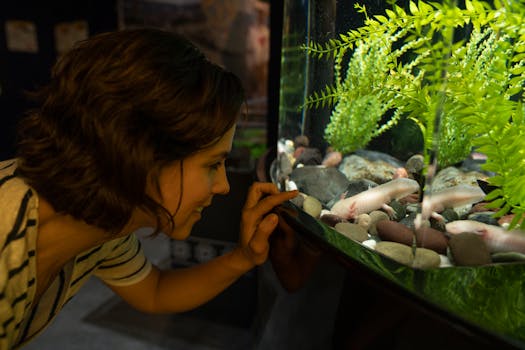
Photo by Los Muertos Crew on Pexels
What to Feed Your Fire Belly Newt
Newts are carnivores and love live food. The easiest and most nutritious option is earthworms cut into small pieces. You can dig them up yourself or pick some up at a bait shop or Walmart. Other good choices include small crickets, bloodworms, brine shrimp, and blackworms. Feed your newt every other day or every three days. A good rule is to offer as much as they can eat in about 10 to 15 minutes, then remove leftovers. Young newts may need daily feedings.
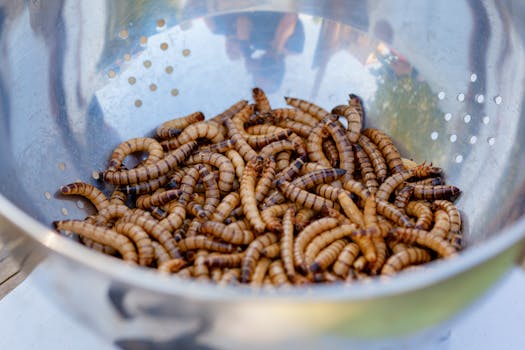
Photo by Julia Filirovska on Pexels
Handling and Temperament
Can you hold fire belly newts? They are not really pets that enjoy being handled. Their skin is sensitive and can absorb things from your hands, like oils or lotion. Plus, they produce a mild toxin from their skin as a defense. If you have to move one for tank cleaning, use a soft net or a damp hand (rinsed with dechlorinated water) and keep the interaction short. Wash your hands well after any contact. Most fire belly newts are active and curious, spending time swimming around the tank. You can watch them all day.
Common Health Issues
Fire belly newts are fairly hardy if you keep their water clean and their temperature cool. Keep an eye out for signs of trouble. Skin fungus looks like fluffy white patches and often means the water quality has slipped or the temperature is too high. Redness on the belly or legs can indicate a bacterial infection. Weight loss or refusal to eat might be a sign of internal parasites. In most cases, good water conditions and a balanced diet prevent illness. If you see anything concerning, a quick water change and a check of your thermometer is a good first step. For serious problems, a vet who specializes in amphibians is your best bet.
Photo by Magda Ehlers on Pexels
Frequently Asked Questions
Do fire belly newts make good pets?
Yes, they are considered beginner-level amphibians and are fairly straightforward to care for. Their long lifespan (up to 45 years) means they can be a long-term companion, but you will need to commit to keeping their cool, clean setup going for years. They are not cuddly, but they are entertaining to watch.
Can you hold fire belly newts?
It is best to limit handling. Their sensitive skin can absorb substances from your hands, and they secrete a mild toxin as a defense. If you must move one, use a soft damp net or a thoroughly rinsed hand. Always wash your hands after any contact.
How often should I feed my fire belly newt?
Every other day or every three days is a good schedule for adults. Offer as much live food (like cut earthworms, bloodworms, or brine shrimp) as they can eat in 10 to 15 minutes. Remove any uneaten food to keep the water clean.
How do you take care of a fire belly newt?
Provide a tank with both water and land areas, keep the temperature between 60°F and 75°F, never above 78°F, and avoid any heat lamps. Use a gentle filter, cycle lighting 12 hours on/12 hours off, feed live foods like earthworms, and avoid handling. With the right care, they are easy and rewarding pets.
With a cool, clean tank and a steady supply of worms, your fire belly newt will thrive for many years. Have fun watching that belly brighten up every time it swims past the glass.